
- 3 min read
How to Care for and Dry Hydrangeas in Autumn.
Expert tips for long-lasting blooms
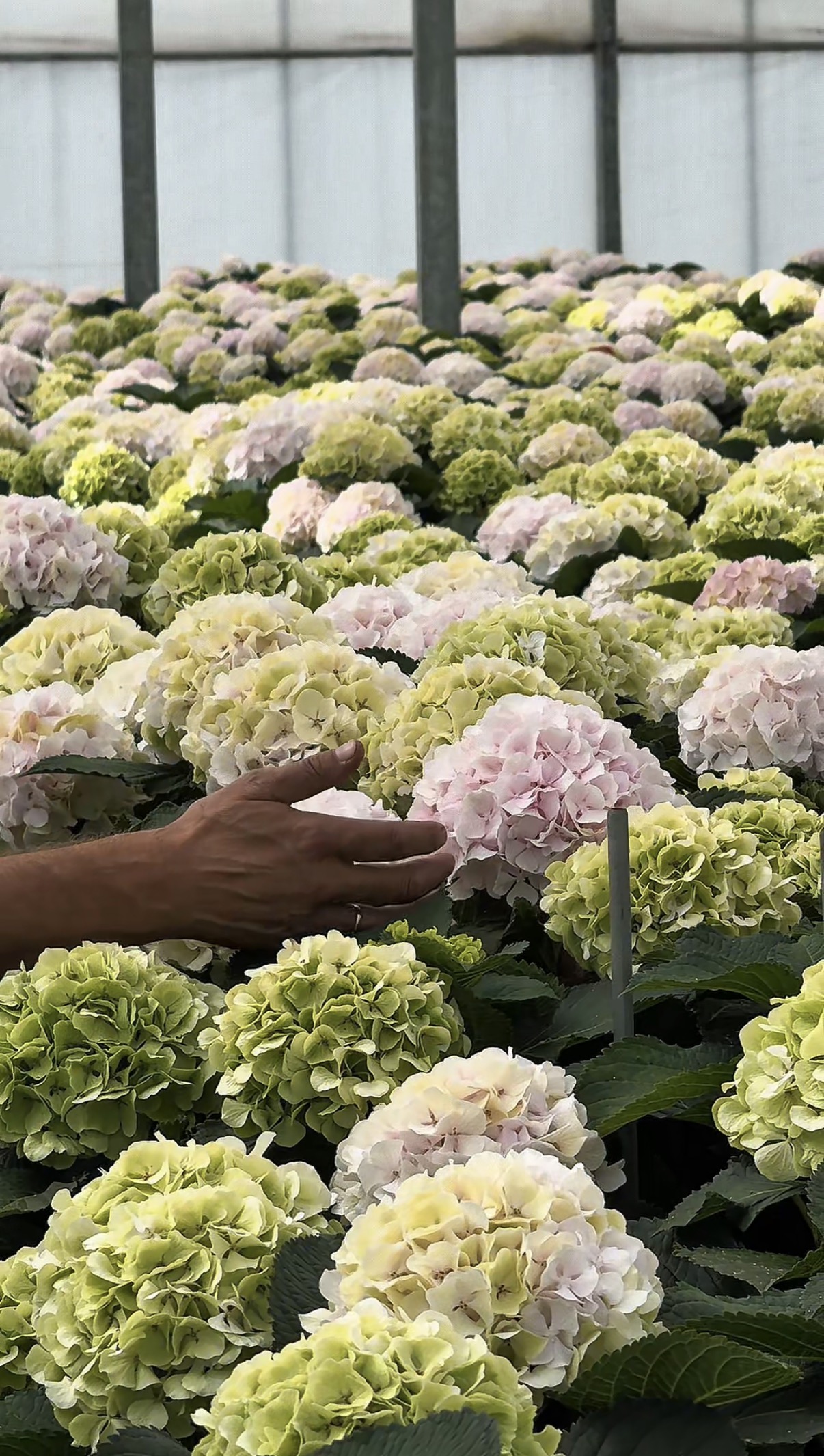
As autumn arrives, Classic Hydrangeas take centre stage with their rich seasonal colours, firm flower heads and excellent drying potential. Unlike Fresh Hydrangeas, which are mainly available during spring and summer, Classic Hydrangeas develop beautiful antique shades and offer a longer vase life.
As autumn arrives, the hydrangea season enters one of its most fascinating stages. While Fresh Hydrangeas are becoming increasingly scarce, Classic Hydrangeas take centre stage with their rich autumn colours, firm flower heads and excellent drying potential. But how do you keep these flowers looking their best, and when is the right moment to dry them? As flower export specialists, we're sharing our tips.
Fresh vs. Classic Hydrangeas: What's the difference?
Hydrangeas are known for their large flower heads and impressive range of colours. However, not all hydrangeas are harvested at the same stage of maturity.
Fresh Hydrangeas are typically available during spring and summer, with their peak season running from May to September. They are recognised by their vibrant colours, including pink, blue, white and purple.
As the season progresses, the flowers mature and gradually develop deeper, more complex shades. These are known as Classic Hydrangeas, featuring beautiful combinations of antique green, burgundy, dusty pink and warm autumn tones.
Classic Hydrangeas generally have firmer flower heads and a longer vase life than their fresh counterparts. Depending on the variety, maturity and growing conditions, they can remain beautiful in a vase for up to three weeks.
In the Netherlands, Classic Hydrangeas are generally available well into autumn, sometimes until December. This makes them particularly valuable for seasonal floral arrangements and dried flower designs.
How to keep your hydrangeas looking their best.
Proper care is essential for maintaining the quality and appearance of cut hydrangeas. Whether you're a florist preparing arrangements or a wholesaler handling larger quantities, these professional care tips can make a difference.
1. Start with a clean vase
Hydrangeas are thirsty flowers. Use a thoroughly cleaned vase with plenty of fresh water and suitable cut flower food. A glass vase is ideal because it allows you to monitor water quality and levels easily.
2. Cut the stems at an angle
Before placing your hydrangeas in water, make a fresh diagonal cut with a clean, sharp knife or secateurs. This helps the stems absorb water efficiently.
3. Remove excess foliage
Remove leaves that would otherwise sit below the waterline. This helps prevent bacterial growth and keeps the water cleaner.
4. Keep them cool
Avoid direct sunlight, radiators and other sources of heat. A cool environment helps reduce moisture loss and maintain flower quality.
5. Check the water regularly
Keep the water level topped up and replace cloudy water. If necessary, recut the stems to support water uptake.
When is a hydrangea ready to dry?
One of the greatest advantages of Classic Hydrangeas is their ability to transition from fresh cut flowers into beautiful, dried arrangements. However, timing is everything. Fresh Hydrangeas contain more moisture and have softer flower heads, making them less suitable for traditional air-drying.
Classic Hydrangeas, on the other hand, have already matured on the plant. The ideal moment to begin drying is when the flower heads feel firm and slightly papery, rather than soft. Their colours will often have developed into muted green, red or antique shades.
Expert tip: The more mature the hydrangea, the better its potential to retain its shape during drying. Avoid starting the process too early, as immature flower heads may wilt or shrivel.
Written by
Amber Veeken
Content Marketeer